

Starting Your Sustainable Urban Garden

Embarking on a journey to create a sustainable urban garden transforms your living space and impacts the environment positively. Urban gardening, when approached sustainably, can provide fresh produce, reduce your carbon footprint, and foster a closer connection to nature, even in the heart of the city. Whether you’re planting on a balcony, rooftop, or small backyard, the path to lush, eco-friendly growth begins with mindful planning and a commitment to sustainability.

Understanding Sustainable Urban Gardening

Defining Sustainability in Urban Gardening

Sustainability in urban gardening means prioritizing methods and materials that protect and nurture the environment. This could include using organic fertilizers, capturing rainwater, or minimizing plastic use. By focusing on the life cycle of everything you introduce to your garden, you ensure that your efforts have a positive, lasting impact. Sustainable gardens are designed for long-term productivity and resilience, with an emphasis on using local resources and working in harmony with the natural world—even within a dense cityscape.

Why Choose Urban Gardening?

Urban gardening offers a direct route to fresh food, increased green space, and improved mental well-being. In crowded cities, green oases support pollinators, absorb pollutants, and create calming retreats. Engaging in urban gardening invites you to take control over what you consume, reduce reliance on commercially grown produce, and foster a sense of community with fellow gardeners. It’s not just about growing plants; it’s about cultivating a more sustainable way of living in urban environments.

The Benefits of Going Sustainable

When you grow your urban garden sustainably, the benefits extend far beyond your household. These gardens can substantially reduce waste by composting organic material, conserving water, and encouraging biodiversity even on a small scale. Embracing sustainability fosters a greater awareness of one’s ecological footprint and helps build urban spaces that are not only productive but also environmentally friendly and resilient in the face of climate change.

Assessing Available Space

Careful evaluation of your gardening area is the first crucial step. Small balconies, patios, rooftops, or community garden plots each present unique opportunities and limitations. Consider vertical gardening options if floor space is limited, and be mindful of structural weight limits for rooftops or balconies. Measuring available sunlight, wind exposure, and shade will allow you to select plant species best suited to your specific conditions, setting the foundation for a successful, sustainable garden.

Considering Sunlight and Climate

Understanding your space’s sunlight patterns and microclimate enables you to choose the right plants and define their placement. City environments create microclimates due to buildings and reflective surfaces, which can intensify heat or shade. Tracking sun exposure throughout the day helps maximize growth potential, while recognizing your local climate conditions—humidity, rainfall, and prevailing winds—allows you to plan for resilient planting and water conservation.

Choosing Sustainable Materials

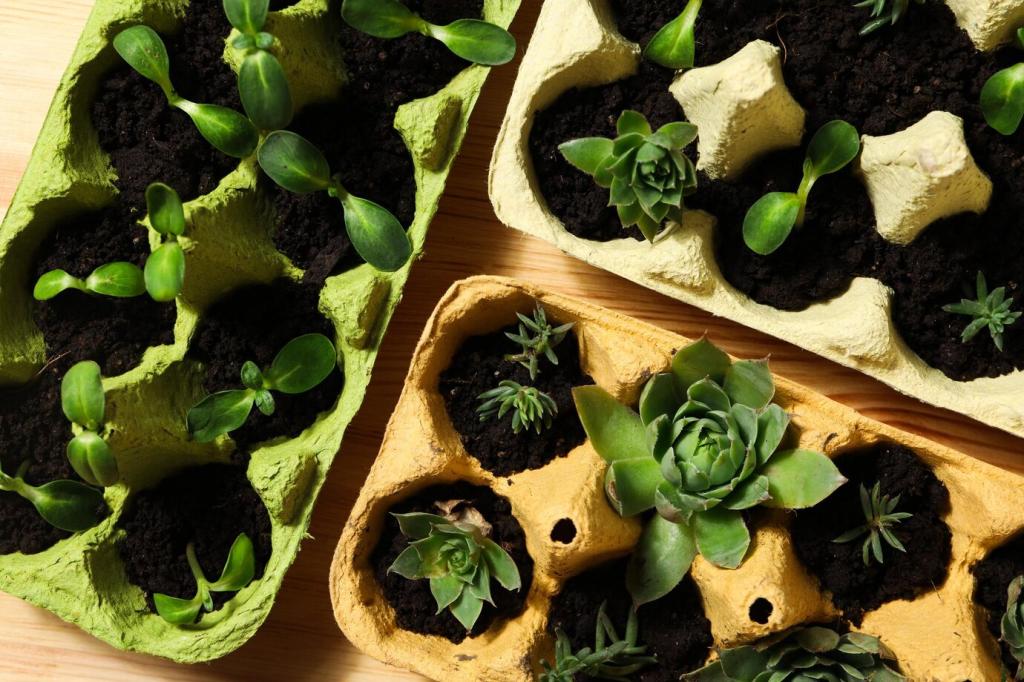
Choose planters and structures made from recycled materials, biodegradable fibers, or repurposed containers such as buckets, crates, or barrels. Avoid using plastics that can leach toxins or degrade quickly under sunlight. Wooden planters from certified sources or reused pallets exemplify sustainability, offering long lifespans and minimal environmental impact. By selecting quality materials that can be reused or recycled, your garden infrastructure will remain both functional and eco-friendly for years to come.

Rainwater Harvesting Practices

Collecting and storing rainwater is a simple but powerful way to supply your garden while minimizing demand on municipal systems. Install barrels or tanks beneath gutters and downspouts to catch rain on balconies or rooftops. Use this collected water for irrigation during dry periods, reducing reliance on treated water. Rainwater is typically softer and better for plants, and its use can dramatically lower your garden’s annual consumption of potable water.

Drip Irrigation and Targeted Watering

Drip irrigation delivers water directly to plant roots, minimizing evaporation and runoff. Simple gravity-fed drip systems can be constructed using recycled bottles or hoses, providing consistent moisture only where it’s needed. Watering early in the morning or late in the day further reduces loss to evaporation. By targeting watering efforts and closely monitoring soil moisture levels, you conserve this valuable resource and keep plants healthier and less prone to diseases.

Choosing Water-Efficient Plants

Select plant varieties that are well-adapted to your region’s rainfall and climate. Native plants and drought-tolerant species require less supplemental watering and are typically more resilient in urban environments. Mediterranean herbs such as rosemary or thyme, and succulents, thrive with minimal water. Water-efficient planting, combined with mulching and smart irrigation, keeps your garden lush and productive without compromising sustainability.

Selecting Plants for Urban Sustainability

Edible Plants for Small Spaces

Urban settings are ideal for compact varieties of vegetables, herbs, and fruits. Dwarf tomatoes, salad greens, chili peppers, and potted berries can all flourish on balconies and patios. Portable planters and vertical gardens make efficient use of available space. Choosing edible species that thrive in containers lets you maximize yield, enjoy a fresher diet, and reduce your reliance on store-bought produce, all while utilizing minimal square footage.

Supporting Pollinators in the City

Planting floral species that attract bees, butterflies, and other pollinators strengthens the wider urban ecosystem and increases your yields through improved pollination. Native flowers and herbs such as lavender, echinacea, and basil draw pollinators and add beauty to your space. Providing nectar and habitat for these important insects transforms even a small garden into an ecological haven, supporting biodiversity and ecological health in the city.

Incorporating Native and Resilient Plants

Native plants are naturally acclimated to local soils and weather extremes, making them low-maintenance and drought-resistant. By introducing native perennials, grasses, and shrubs, you create habitat for urban wildlife and ensure long-term garden sustainability. Such plants often require fewer inputs and better resist pests and diseases, embodying the principles of sustainability and connecting your urban garden to the broader regional landscape.

Organic Pest and Disease Management

Attracting predatory insects and birds creates a self-regulating garden ecosystem. Ladybugs, lacewings, and spiders help keep aphid and mite populations in check, while birds feed on grubs and caterpillars. Providing habitats such as flowering plants or small water sources supports these beneficial creatures. By fostering a natural balance, you minimize pest outbreaks and reduce the need for interventions, resulting in a healthier, more sustainable garden.

Engaging with the Urban Gardening Community

Community gardens offer access to land, tools, and experienced mentors for city dwellers without private growing space. Gardening alongside neighbors fosters collaboration and responsibility, while shared harvests and workdays strengthen community bonds. Community gardens also act as educational hubs, modeling sustainable practices and inspiring wider urban greening efforts. Participation in these spaces turns gardening into a shared urban experience.